A noisy garage door isn’t always just an inconvenience. Grinding sounds, uneven movement, and excessive vibration can indicate that important components are beginning to wear out.
One component worth checking is the garage door roller.
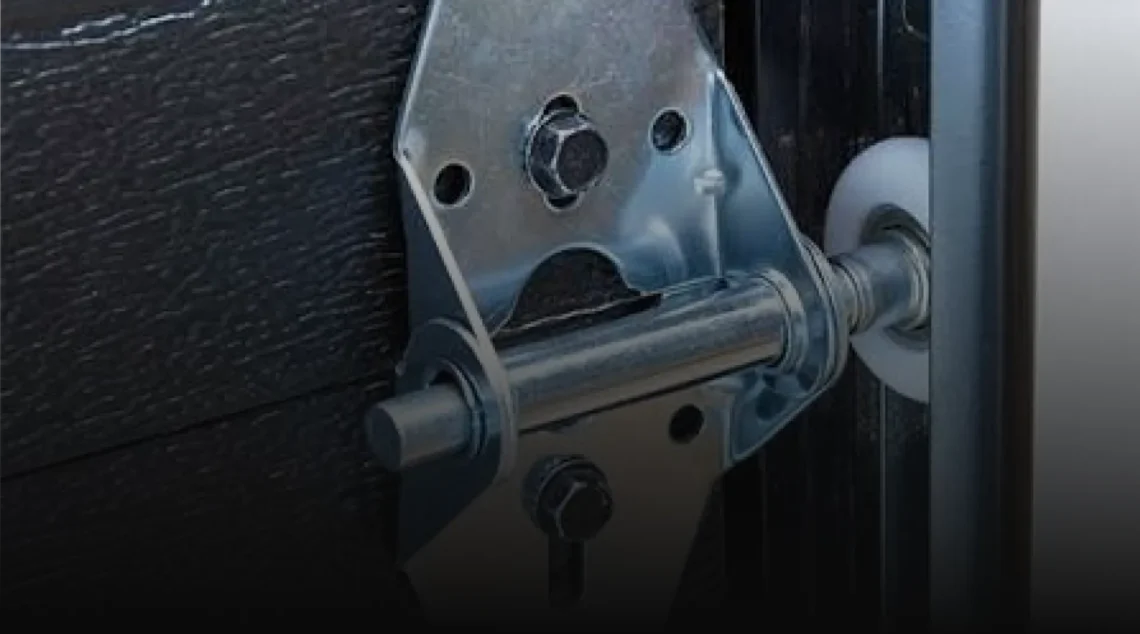
Garage door rollers guide the door along its tracks as it opens and closes. When these small components become worn or damaged, the door may operate less smoothly, produce unusual noises, or place additional stress on other parts of the system.
Recognizing the warning signs early can help you address problems before they become more serious.
In this guide, we’ll explore seven signs your garage door rollers may need replacing, what causes them to wear out, and how to choose the right replacement.
Why Do Garage Door Rollers Wear Out?
Garage door rollers experience repeated movement every time the door opens or closes.
Over time, several factors can contribute to wear:
- Frequent opening and closing cycles
- Dirt and debris buildup
- Insufficient or incorrect lubrication
- Moisture and corrosion
- Damaged tracks or misalignment
- Aging wheels and internal bearings
The rate of wear depends on the roller design, materials, operating environment, and maintenance history.
Even high-quality rollers should be inspected periodically to ensure they remain in good condition.
7 Warning Signs Your Garage Door Rollers Are Failing
1. Grinding or Squeaking Noises
One of the most noticeable signs of a problem is an unusual noise during operation.
Grinding, squeaking, or rattling may indicate worn bearings, damaged wheels, or friction between components.
However, noise can also come from hinges, tracks, springs, or the garage door opener.
If the sound appears to come from the rollers, a professional inspection can help determine whether cleaning, lubrication, adjustment, or replacement is appropriate.
2. Jerky or Uneven Door Movement
A properly functioning garage door should move smoothly along its tracks.
If the door begins to shake, hesitate, or move unevenly, worn rollers may be contributing to the problem.
Possible causes include:
- Damaged roller wheels
- Bearings that no longer rotate freely
- Track alignment problems
- Worn hinges or other hardware
Uneven movement should not be ignored, especially if the door appears to bind or become stuck.
3. Cracked or Damaged Roller Wheels
Visible damage is another important warning sign.
Depending on the roller material, damage may include cracks, chips, deformation, or excessive wear around the wheel.
A damaged wheel may no longer roll properly inside the track.
If a roller wheel is cracked or visibly deteriorating, replacement is generally preferable to attempting a temporary repair.
4. Excessive Vibration
Some vibration is normal when a garage door operates, but a noticeable increase can indicate developing mechanical problems.
Worn rollers may contribute to vibration when they no longer move smoothly along the tracks.
Other potential causes include loose hardware, track problems, or issues with the opener.
If vibration has increased significantly, have the system inspected before continued operation causes additional damage.
5. Rust or Bearing Damage
Moisture and environmental exposure can affect metal components over time.
Signs of corrosion may appear on roller stems, bearing components, or surrounding hardware.
Rust does not automatically mean the roller must be replaced, but severe corrosion or rough bearing operation can indicate that the component is no longer functioning properly.
Rollers with sealed bearings can help reduce the entry of contaminants into the bearing assembly.
6. Rollers That No Longer Rotate Smoothly
Garage door rollers are designed to rotate as the door moves along the track.
When the wheel or internal bearing becomes damaged, it may resist rotation or begin sliding rather than rolling correctly.
This can increase friction and accelerate wear.
A qualified technician can evaluate whether the roller is operating as intended and whether replacement is necessary.
7. Visible Wear or Damage to the Roller Assembly
Not all roller problems are limited to the wheel itself.
The stem and bearing assembly should also be inspected for signs of damage, deformation, or abnormal wear.
A roller that is loose, bent, or no longer properly positioned can affect door movement.
Because garage doors operate under substantial loads, damaged components should be assessed by a qualified professional.
Can You Lubricate Garage Door Rollers Instead of Replacing Them?
Sometimes, unusual noise is caused by a maintenance issue rather than a failed roller.
Proper lubrication of serviceable metal components may help reduce friction and noise.
However, lubrication cannot repair:
- Cracked wheels
- Severely worn bearings
- Bent roller stems
- Significant corrosion
- Broken components
It’s also important to understand that sealed bearings and nylon wheels have different maintenance requirements.
Avoid applying lubricant indiscriminately to nylon wheels or inside sealed bearings. Follow the roller and garage door manufacturer’s instructions.
If a roller is physically damaged or its bearing has failed, replacement is generally the more appropriate solution.
Nylon vs. Steel Garage Door Rollers: Which Is Better for Replacement?
When replacing garage door rollers, the wheel material is an important consideration.
Both nylon and steel rollers are used in garage door systems, but their characteristics differ.
| Feature | Nylon Rollers | Steel Rollers |
| Operating noise | Generally quieter | Can produce more noise |
| Wheel material | Engineered polymer | Steel |
| Corrosion considerations | Nylon wheel does not rust | Steel wheel can corrode |
| Wear characteristics | Depend on design and loading | Depend on design and lubrication |
| Typical appeal | Quiet, smooth operation | Durable metal construction |
The correct choice depends on the garage door’s design, operating conditions, and manufacturer specifications.
For homeowners looking to reduce operating noise, nylon rollers with quality sealed bearings are often worth considering.
Why Sealed Bearings Matter in Garage Door Rollers
A garage door roller includes more than just the wheel.
The internal bearing plays an important role in allowing the wheel to rotate smoothly.
Sealed bearings help retain lubricant while limiting the entry of dust and debris.
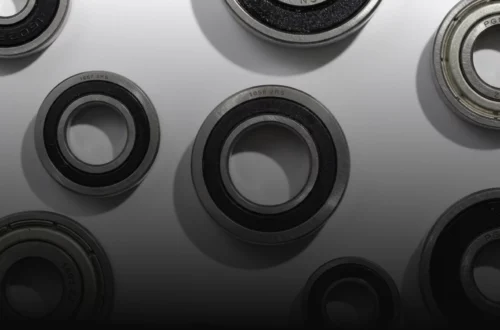
For example, 6200-2RS bearings use rubber seals on both sides to provide protection for the internal rolling elements.
This type of bearing can be particularly useful in garage environments where dust and other contaminants may be present.
PGN garage door rollers feature 6200-2RS sealed bearings, reinforced nylon wheels, and carbon steel stems.
How to Choose the Right Replacement Garage Door Roller
Before purchasing replacement rollers, check the specifications of your existing garage door system.
Important factors include:
Roller Wheel Size
The replacement wheel must fit the garage door track and match the equipment requirements.
Stem Length
Garage door rollers are available with different stem lengths.
PGN offers options with 4-inch and 7-inch stems, allowing customers to select a configuration based on their door hardware.
The longer stem is not automatically a stronger or better replacement. Always match the required dimensions.
Bearing Design
Consider whether the roller uses sealed bearings and whether its design is suitable for the expected operating conditions.
Compatibility
Confirm the roller dimensions, track requirements, and door manufacturer’s specifications before purchasing.
When Should You Call a Garage Door Professional?
Garage door systems contain components under substantial tension, including springs and cables.
Although checking for visible roller wear may seem straightforward, replacing certain rollers can involve serious safety risks.
Do not loosen bottom brackets, spring hardware, cables, or other tensioned components.
If the door is binding, appears unstable, has a roller out of the track, or requires work near tensioned hardware, stop operating it and contact a qualified garage door technician.
Professional installation is especially important when the repair involves more than a straightforward, manufacturer-approved maintenance procedure.
Explore PGN Garage Door Rollers
If your garage door rollers are worn or damaged, selecting compatible replacements can help restore smooth operation.
PGN offers reinforced nylon garage door rollers featuring:
- 6200-2RS double-sealed bearings
- Reinforced nylon wheels
- Carbon steel stems
- 4-inch and 7-inch stem options
- Convenient 10-pack configurations
These options are designed for garage door applications where smooth movement and reduced operating noise are important.
Explore PGN Garage Door Rollers and compare the available options for your replacement project.
Frequently Asked Questions About Garage Door Roller Replacement
How do I know if my garage door rollers are bad?
Common warning signs include grinding noises, cracked wheels, uneven door movement, excessive vibration, and visible roller damage. These symptoms can also have other causes, so an inspection is important.
How often should garage door rollers be replaced?
There is no single replacement interval for every roller. Service life depends on roller quality, door usage, environmental conditions, and maintenance. Replace rollers when inspection reveals damage or wear beyond the manufacturer’s limits.
Are nylon garage door rollers quieter than steel rollers?
Nylon rollers generally produce less wheel-to-track noise than steel rollers. Bearing design, track condition, and overall door maintenance also affect noise levels.
Can I replace garage door rollers myself?
Some maintenance tasks may be suitable for experienced homeowners following manufacturer instructions, but garage door repairs can involve hazardous spring and cable tension. A qualified technician is the safer choice when roller replacement involves tensioned components or uncertain procedures.
Final Thoughts
Worn garage door rollers can affect the way your garage door sounds, moves, and operates.
By recognizing warning signs such as unusual noise, vibration, cracked wheels, and damaged bearings, you can address potential problems before they lead to more extensive repairs.
When replacement is necessary, choosing the correct roller dimensions, materials, and bearing configuration is essential.
For homeowners and maintenance professionals looking for quiet nylon replacement rollers, PGN offers options designed to support smooth, reliable garage door movement.