Modern manufacturing depends on complex machinery, automation, and advanced production systems. But behind that technology are mechanical components that perform essential functions every day.
Ball bearings, pillow block bearings, roller chains, and welding wire may be relatively simple components, but each plays an important role in keeping manufacturing equipment and production processes moving.
With October recognized as Manufacturing Month in the United States, it’s a great time to look at some of the components behind modern manufacturing—and why selecting the right parts can make a difference in equipment reliability and productivity.
The Components Behind Modern Manufacturing
A manufacturing line is only as reliable as the components that keep it operating.
Depending on the equipment and production process, manufacturers rely on components to:
- Support rotating shafts
- Reduce friction between moving parts
- Transmit mechanical power
- Maintain alignment
- Fabricate and join metal components
- Keep automated equipment operating consistently
Even relatively small components can affect the performance of a much larger system.
Let’s look at how some of these parts contribute to manufacturing operations.
Ball Bearings: Reducing Friction and Supporting Motion
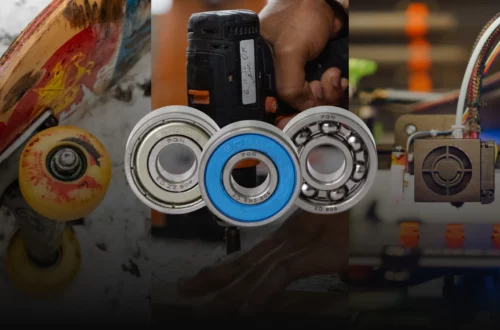
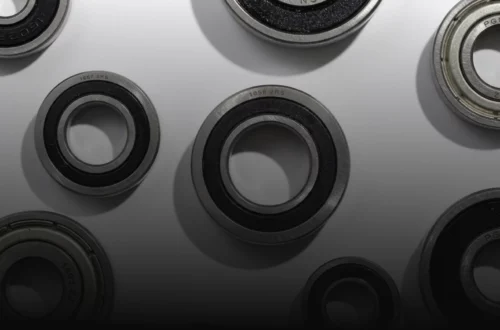
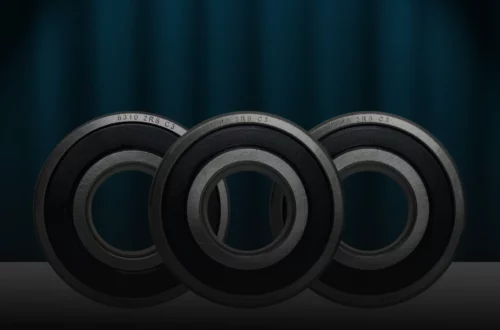
Ball bearings are among the most widely used mechanical components in manufacturing equipment.
Their primary function is to reduce friction between moving parts while supporting rotating shafts and components.
Where Ball Bearings Are Used in Manufacturing
Depending on their size and design, ball bearings may be found in:
- Electric motors
- Conveyor systems
- Pumps
- Fans
- Gearboxes
- Power tools
- Automated machinery
- Material handling equipment
Different applications require different bearing sizes, closures, clearances, load capacities, and speed capabilities.
For example, a bearing operating in a dusty environment may require different protection than one operating inside a clean electric motor.
That makes proper bearing selection just as important as the bearing itself.
Pillow Block Bearings: Supporting Rotating Shafts
When a rotating shaft needs both a bearing and a mounting point, pillow block bearings provide a convenient solution.
A pillow block combines a bearing insert with a mounted housing, allowing the unit to be secured directly to a machine or supporting structure.
Common Manufacturing Applications
Pillow block bearings can be used in equipment such as:
- Conveyors
- Packaging machinery
- Material handling systems
- Agricultural machinery
- Processing equipment
- Industrial fans
- Production machinery
Their mounted design can also simplify installation and maintenance compared with more complex bearing arrangements.
As with any bearing, shaft size, load, speed, alignment, and operating environment should all be considered when selecting a pillow block.
Roller Chains: Transmitting Power Across Equipment
Many manufacturing processes depend on transferring mechanical power from one component to another.
That’s where roller chains come in.
A roller chain works together with sprockets to transmit power and movement efficiently between rotating shafts.
Where Roller Chains Are Used
Common applications include:
- Conveyors
- Packaging equipment
- Material handling systems
- Agricultural machinery
- Food processing equipment
- Manufacturing lines
- Industrial machinery
Roller chains are available in different sizes and configurations, including standard carbon steel, heavy-duty, stainless steel, and specialty chains.
Choosing the appropriate chain depends on factors such as load, operating environment, speed, corrosion exposure, and equipment design.
Welding Wire: Keeping Fabrication Moving
Not every critical manufacturing component remains inside the finished machine.
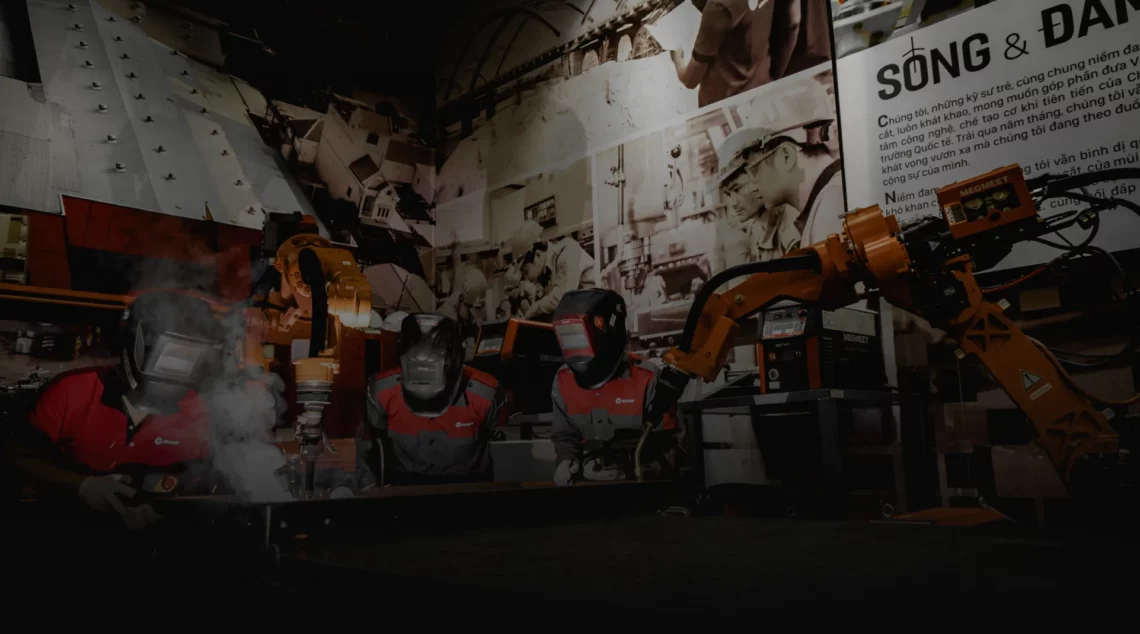
Welding consumables are equally important to facilities that manufacture steel structures, equipment, trailers, machinery, and fabricated components.
MIG welding wire such as ER70S-6, for example, is commonly used for mild steel fabrication.
For high-volume operations, manufacturers may also consider larger welding wire packages that allow longer production runs between wire changes.
This becomes particularly valuable in:
- Automated welding cells
- Robotic welding
- Trailer manufacturing
- Heavy equipment production
- Automotive component manufacturing
- High-volume metal fabrication
Selecting the right wire type, diameter, package size, and shielding gas helps match the welding consumable to the production process.
How Component Selection Can Affect Equipment Reliability
Price and dimensions are not the only considerations when purchasing industrial components.
The wrong component can contribute to:
- Premature wear
- Excessive vibration
- Misalignment
- Increased friction
- Chain failure
- Unexpected maintenance
- Production interruptions
For bearings and roller chains in particular, manufacturers should consider the operating conditions before selecting a replacement.
Key Factors to Consider
These can include:
- Load
- Speed
- Operating temperature
- Exposure to dirt or moisture
- Lubrication requirements
- Shaft dimensions
- Alignment
- Maintenance intervals
- Duty cycle
A component designed for occasional light-duty operation may not be appropriate for equipment operating continuously under heavy loads.
Preventive Maintenance Matters Too
Choosing the right component is only the first step.
Regular inspection and preventive maintenance can help identify problems before they lead to unexpected equipment downtime.
For bearings, maintenance teams should watch for unusual noise, vibration, temperature changes, lubrication problems, and visible wear.
For roller chains, inspections should include lubrication, tension, alignment, elongation, and sprocket condition.
The objective isn’t simply to make a component last as long as possible. It’s to identify wear early enough to plan maintenance rather than react to a failure.
Manufacturing Depends on the Details
Large production systems often attract the most attention, but their performance depends on hundreds or even thousands of individual components working together.
A bearing supporting a motor shaft, a roller chain moving a conveyor, or welding wire feeding through an automated welding cell may represent only a small part of the overall operation.
But when one of those components stops working, the impact can extend far beyond the part itself.
That’s why understanding component requirements, selecting the appropriate product, and maintaining it properly remain essential parts of reliable manufacturing.
Explore Industrial Components from PGN
PGN provides mechanical components and welding consumables for a wide range of industrial and manufacturing applications.
Explore our selection of ball bearings, pillow block bearings, roller chains, and welding wire to find options for your equipment and production requirements.