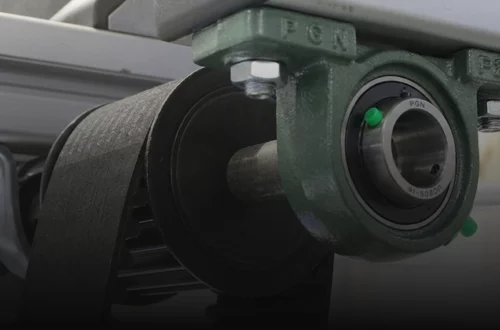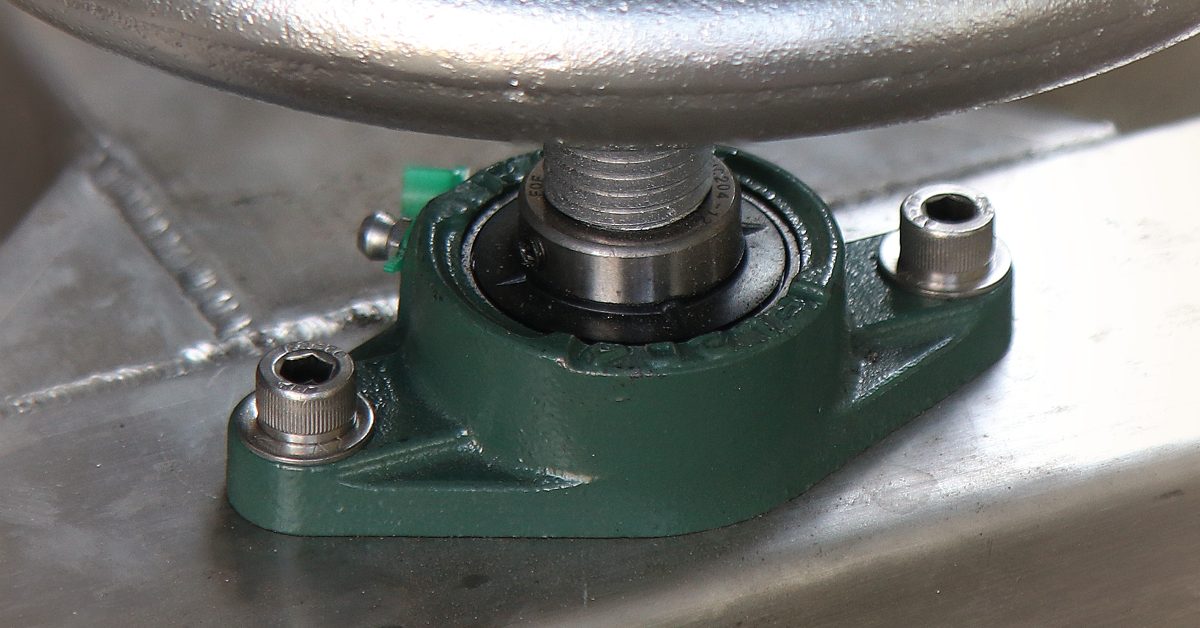
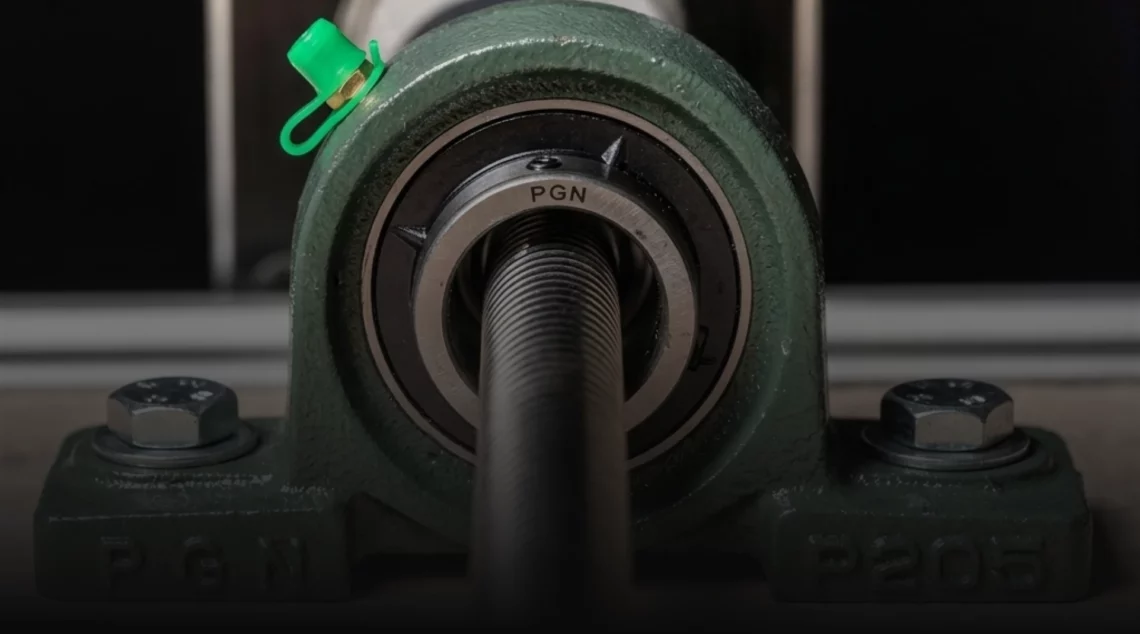
Pillow block bearing maintenance is essential for keeping rotating shafts properly supported across industrial, agricultural, and commercial equipment. From conveyor systems to farm machinery, these mounted bearing units help reduce friction, maintain shaft alignment, and keep equipment operating efficiently.
Like any mechanical component, however, pillow block bearings wear over time. Regular inspections and preventive maintenance can help identify potential issues before they lead to unexpected equipment failures and costly downtime.
In this guide, we’ll cover the five most common signs that indicate it may be time to replace your pillow block bearing and share maintenance tips to keep your equipment running smoothly.
Why Pillow Block Bearing Maintenance Matters
Unexpected bearing failures can interrupt production, damage surrounding components, and increase repair costs.
A preventive maintenance routine helps operators:
- Reduce unplanned downtime
- Extend bearing service life
- Improve equipment reliability
- Lower maintenance costs
- Increase operational efficiency
Routine inspections often identify minor problems before they become major failures.
1. Unusual Noise During Operation
One of the earliest warning signs of bearing wear is abnormal noise.
Grinding, clicking, or squealing sounds often indicate:
- Insufficient lubrication
- Internal bearing damage
- Contamination
- Excessive wear
Any unusual sound should be investigated promptly to avoid further damage.
2. Excessive Vibration
Healthy pillow block bearings operate smoothly.
If vibration levels increase unexpectedly, possible causes include:
- Bearing wear
- Shaft imbalance
- Improper installation
- Misalignment
Excessive vibration not only shortens bearing life but can also affect other machine components.
3. Rising Operating Temperature
Bearings naturally generate some heat during operation.
However, consistently higher operating temperatures may indicate:
- Lack of lubrication
- Excessive load
- Internal damage
- Bearing contamination
Monitoring bearing temperature is one of the easiest ways to identify developing problems.
4. Grease Leakage or Contamination
Lubrication is essential for proper bearing performance.
During inspections, look for:
- Grease leaking from seals
- Dirt or debris entering the housing
- Discolored lubricant
- Water contamination
Keeping bearings clean and properly lubricated significantly extends their service life.
5. Shaft Misalignment
Misalignment places unnecessary stress on both the bearing and the shaft.
Signs include:
- Uneven wear
- Increased vibration
- Premature bearing failure
- Reduced equipment efficiency
Checking shaft alignment during maintenance helps prevent these issues.
Pillow Block Bearing Maintenance Best Practices
A simple preventive maintenance routine can make a significant difference.
Recommended practices include:
- Inspect bearings regularly
- Follow lubrication schedules
- Monitor vibration and temperature
- Check mounting bolts
- Verify shaft alignment
- Replace worn bearings before failure occurs
These steps help maximize equipment reliability while reducing maintenance costs.
Explore PGN Pillow Block Bearings
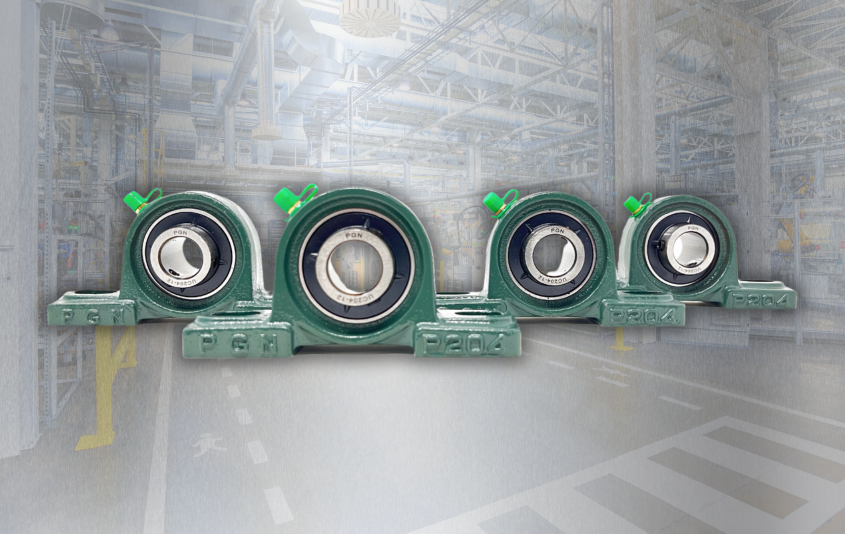
PGN Bearings offers a wide selection of high-quality pillow block bearings designed for industrial, agricultural, and commercial applications.
Our product lineup includes multiple housing styles and shaft sizes to meet the needs of a wide variety of equipment.
Final Thoughts
Preventive maintenance is one of the most effective ways to extend the life of your pillow block bearings and avoid unexpected equipment failures.
By recognizing the early warning signs of wear and following a regular inspection routine, you can improve reliability, reduce downtime, and keep your operation running efficiently.