Proper pillow block bearing selection is essential for ensuring smooth operation, reducing maintenance, and extending the lifespan of industrial equipment. Choosing the right mounted bearing helps improve shaft alignment, minimize friction, and increase overall system reliability.
However, choosing the wrong type can lead to premature wear, misalignment, and costly downtime. Understanding the key factors involved will help you make the best decision for your application.
What Is a Pillow Block Bearing?
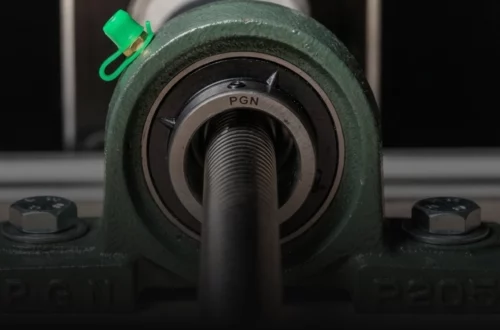
A pillow block bearing is a mounted bearing unit that consists of a bearing housed inside a solid support block. It is designed to support rotating shafts while maintaining alignment and reducing friction.
These bearings are commonly used in:
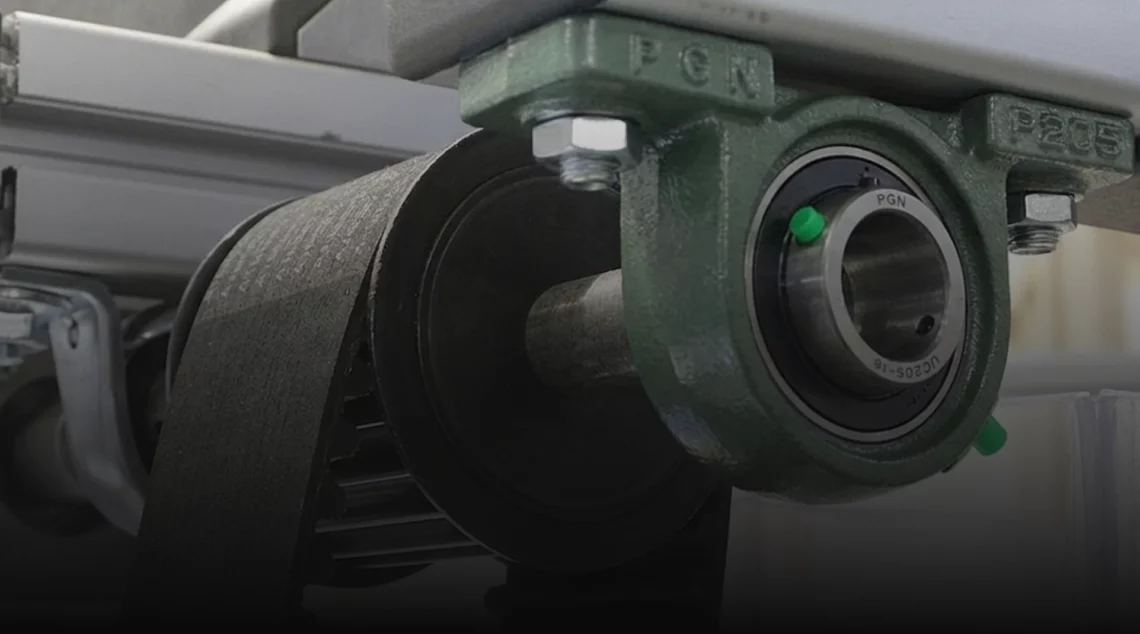
- Conveyor systems
- Agricultural equipment
- Manufacturing machinery
- HVAC systems
Their ease of installation and durability make them a popular choice across many industries.
Key Factors in Pillow Block Bearing Selection
Selecting the right bearing involves evaluating several important factors.
Load Capacity
One of the most critical considerations is the amount of load the bearing must support.
- Radial load is the most common
- Heavier loads require more robust bearing units
Choosing a bearing with insufficient load capacity can lead to early failure.
Shaft Size
The inner diameter of the bearing must match the shaft size exactly.
Common shaft sizes are available in both inch and metric measurements, so it’s important to verify compatibility before selecting a unit.
Housing Type (UCP, UCF, UCFL)
Different housing designs are suited for different mounting setups:
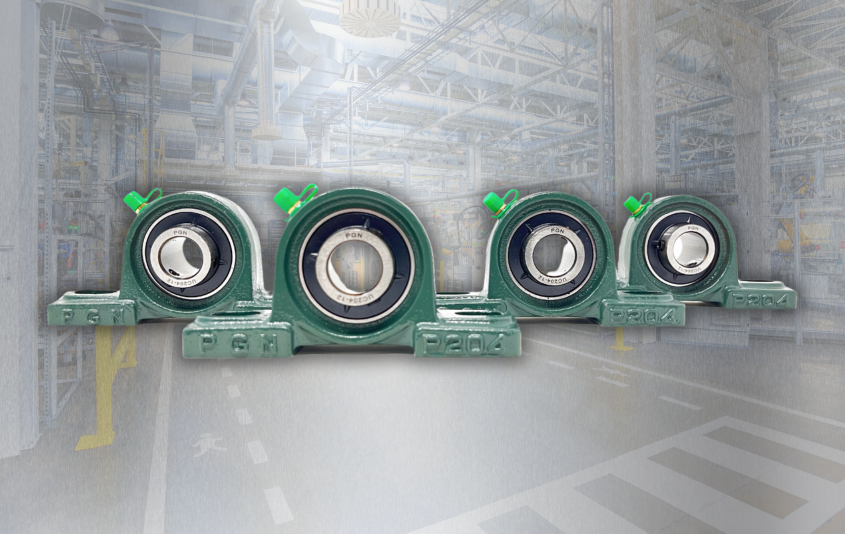
- UCP (pillow block) → standard base mounting
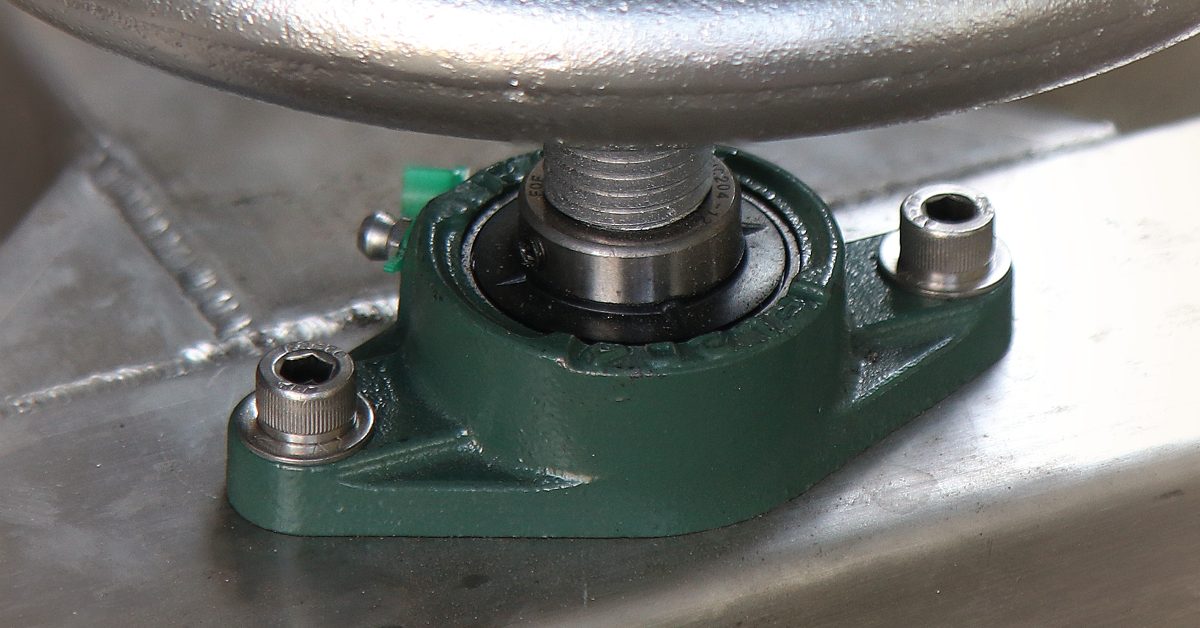
- UCF (flange) → square flange mounting
- UCFL (oval flange) → compact installations
Choosing the correct housing type ensures proper alignment and support.
Operating Environment
Environmental conditions play a major role in bearing performance.
Consider factors such as:
- Dust and debris
- Moisture or water exposure
- Temperature extremes
In harsher environments, sealed bearings or corrosion-resistant materials are recommended.
Material and Coating
Pillow block bearings are typically made from:
- Cast iron (standard industrial use)
- Stainless steel (corrosion resistance)
- Thermoplastic housings (lightweight and resistant to chemicals)
Selecting the right material helps extend the lifespan of the bearing in specific conditions.
Common Applications of Pillow Block Bearings
Pillow block bearings are used in a wide variety of systems due to their versatility and reliability.
Typical applications include:
- Conveyor belts
- Agricultural machinery
- Packaging equipment
- Industrial fans and blowers
- Food processing equipment
Their ability to support rotating shafts while maintaining alignment makes them essential in many mechanical systems.
Common Mistakes to Avoid
Choosing the wrong pillow block bearing can lead to performance issues. Some common mistakes include:
- Selecting the wrong shaft size
- Ignoring load requirements
- Using the wrong housing type
- Overlooking environmental conditions
- Choosing low-quality components
Avoiding these mistakes can help reduce maintenance costs and improve system reliability.
Why Proper Pillow Block Bearing Selection Matters
The correct pillow block bearing improves:
- Equipment efficiency
- Operational reliability
- Maintenance intervals
- Overall lifespan of machinery
Making the right choice upfront helps prevent downtime and reduces long-term costs.
Find the Right Pillow Block Bearing at PGN
PGN Bearings offers a wide selection of high-quality pillow block bearings designed for durability and consistent performance.
With multiple sizes, housing types, and materials available, you can find the right solution for your application.
Explore the collection here:
Pillow Blocks
Final Thoughts
Choosing the right pillow block bearing doesn’t have to be complicated.
By considering factors like load capacity, shaft size, housing type, and environment, you can select a bearing that delivers reliable performance and long service life.
Investing in the right component ensures your equipment runs smoothly and efficiently.