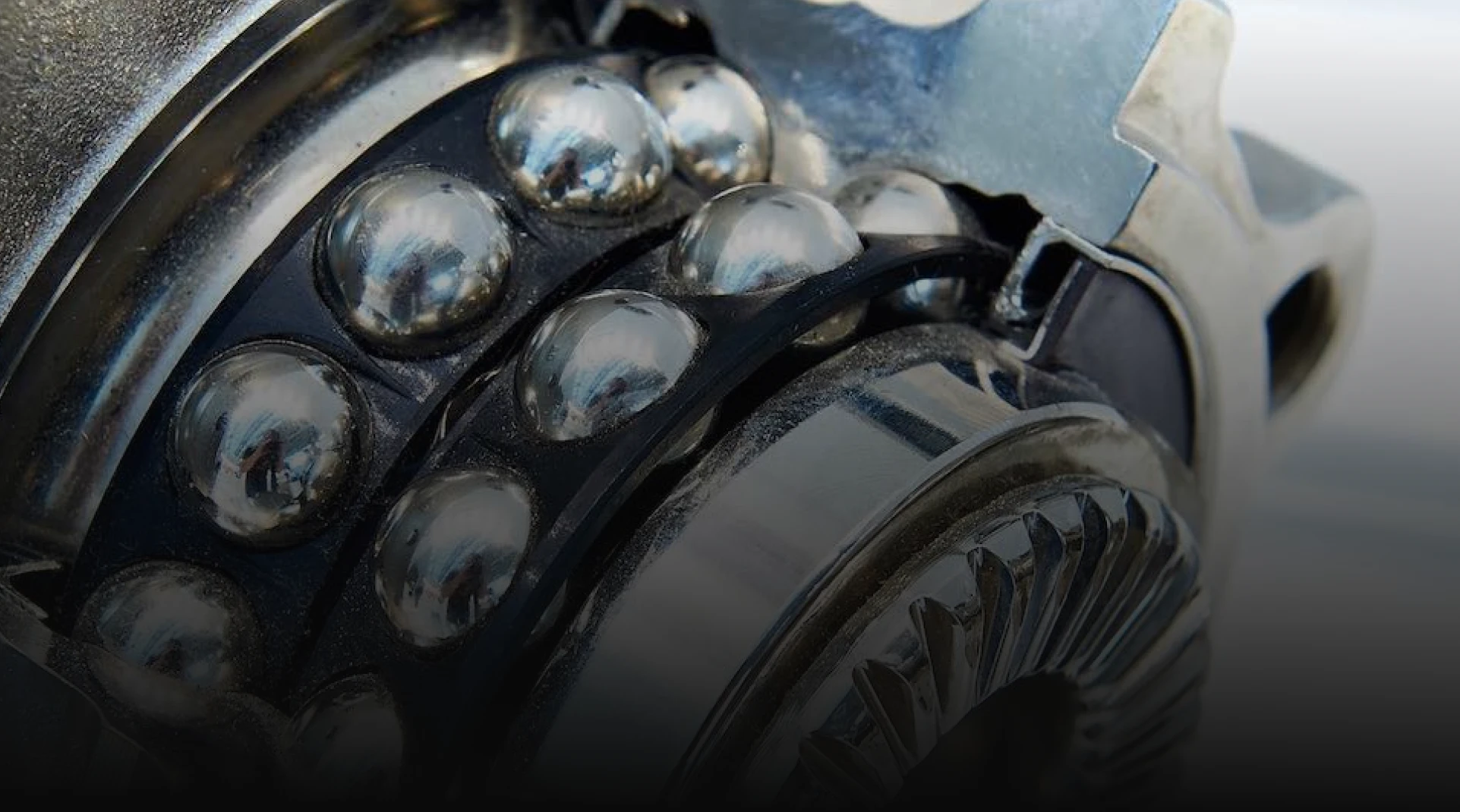
Precision balls are essential components used in a wide range of industries, from bearings and valves to automotive and aerospace systems. Their perfectly spherical shape and tight tolerances allow machines to operate smoothly, efficiently, and with minimal friction.
Understanding how precision balls work — and how to choose the right type — can significantly improve performance and extend the lifespan of your equipment.
What Are Precision Balls?
Steel precision balls are small spherical components manufactured with extremely tight tolerances in terms of size, roundness, and surface finish.
They are commonly used in:
- Ball bearings
- Valves
- Pumps
- Automotive systems
- Industrial machinery
Their main function is to reduce friction between moving parts while maintaining smooth and reliable motion.
Understanding Precision Ball Grades
One of the most important factors when selecting steel balls is the grade.
The grade defines how precise the ball is in terms of:
- Roundness
- Surface finish
- Diameter accuracy
Lower grade numbers indicate higher precision and better performance.
For example:
G10
Used in high-performance applications such as aerospace, medical devices and high-speed bearings.
G25
A common choice for industrial and general mechanical applications.
G100
Used in less demanding applications where ultra-high precision is not required.
The grade essentially represents how close the ball is to a perfect sphere—measured in extremely small tolerances.
Materials Used in Precision Balls
Steel balls are available in different materials, each suited for specific environments and applications.
Chrome Steel
- High strength and durability
- Ideal for bearings and heavy-duty use
Stainless Steel
- Excellent corrosion resistance
- Suitable for humid or chemical environments
Choosing the right material is critical for performance, especially in environments with moisture, heat, or heavy loads.
Common Applications
Steel balls are used across multiple industries due to their reliability and versatility.
Typical applications include:
- Industrial bearings
- Automotive components
- Hydraulic systems
- Aerospace equipment
- Medical devices
As machinery becomes more advanced, the demand for higher precision components continues to grow.
How to Choose the Right Type
When selecting precision balls, consider the following factors:
- Required precision (grade)
- Load and speed conditions
- Environmental exposure (moisture, temperature, chemicals)
- Material compatibility
- Budget
Higher precision balls offer better performance but may come at a higher cost. The key is selecting the right balance for your application.
Why Choose PGN
PGN Bearings offers high-quality steel balls designed for durability, precision, and consistent performance.
With a wide range of sizes, materials, and grades available, PGN provides reliable solutions for industrial and mechanical applications.
Explore the collection here:
https://pgnbearings.com/collections/steel-balls